Home Workouts vs Gym Training – Clear Fitness Guide
Physical form has always been an important part of human life. Traditionally, training was associated with external activities, sports or structured training training. Over time, especially with changes in technology and lifestyle, home workouts have emerged as an available options
This opposite exists because people have different goals, budget, time availability and personal priorities. Both models aim to improve health, strength and general fitness, but take different approaches.
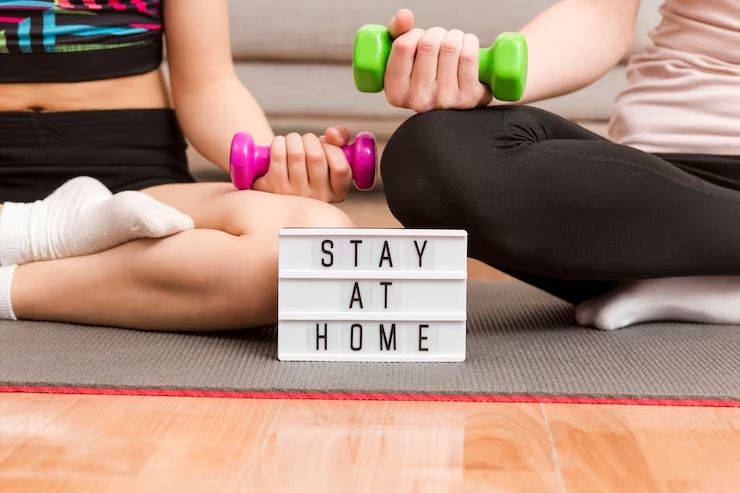
Home training: Exercise exercises performed at home or with or without minimal equipment (body weight exercise, resistance tape, yoga or online guided classes).
Gym training: Training routine at a fitness center with access to machine, weight, trainer and group sessions
Meaning: Why does it mean something today
That affects that
Person: Students, professionals, athletes, elderly people who require better health.
Instructor and coach: Adopt methods to support both students and virtual clients.
Training industry: Gym, online platform and equipment manufacturer.
Healthcare: An installer population reduces the health risk in the long term.
Addressed trouble
| Factor | Home Training | Gym Training | Mixed Approach |
|---|---|---|---|
| Anxiety | Training at home, no travel needed; flexible scheduling but requires self-planning | Requires travel and scheduling; structured environment | Flexible, combines structure and independence |
| Cost | Low cost (minimal equipment) | Membership and trainer fees | Balanced—can control spending |
| Inspiration | Needs self-discipline | Atmosphere of co-workers and trainers provides support | Hybrid model boosts accountability |
| Variation | Limited equipment options | Wide range of machines, classes | Mix of online resources and gym facilities |
| Safety | Risk of poor form without guidance | Instructors help correct technique | Safer with guidance both at home and gym |
Newer updates and trends
Post-pandemic training habits (2024–2025)
Many people searching for household training during Lockdown have continued with him, while others have returned to the gym for social and structured routines.
Hybrid training model
Exercise brands and coaches now offer hybrid options-every streaming classes plus gym membership. This model gains popularity in 2025.
Technology integration
Increase of training apps and AI-operated training plan.
Wearables like SmartWatch and Trackers provide data on heartbeat, calories and recovery.
Virtual Reality (VR) and Augmented Reality (AR) workouts are new trends.
Be aware of mental health
Both the gym and the gym are promoted not only for physical strength, but also to reduce stress and improve emotional welfare.
The emergence of special programs
More people are doing niche training routine: HIIT, Pilates, CrossFit and functional training. Many programs are now suitable for the environment for both home and gym.
Laws and guidelines
Government rules and politics affect how training options develop:
Regulations on gym: Many countries have health and safety requirements for gym, such as sanitary standards, emergency preparation and instructor certificate.
Workplace Welfare Program: Governments often encourage employers to offer gym membership, training challenges or subsidies for home training equipment.
Public Health Campaign: Although Ghar or gym at the national campaign promotes at least 150 minutes of physical activity per week.
Tax and grants: In some areas, health care costs (gym membership, welfare programs) may be eligible for tax deductions.
Online Fitness Compliance: Applications and online platforms must follow privacy, data security and safe advertising rules for users' safety.
Tools and resources
Here are useful resources to support both the home and the gyms:
Application and digital tools
MyFitnesspal - to monitor calories and nutrition.
Nike Training Club - Training directed for home and gym.
Fiton / Freeletics - Personal training routine with minimum tools.
Strava - tracking of outdoor cardio activities.
Strong app - Logging Strength Training Session.
Equipment for home training
Resistance tape, yoga mats, kettlebells, adjustable dumbbells.
Smart Fitness Mirror and Compact Home Gym Kit.
Gym resources
Access to machines, heavy weight, group classes and certified coaches.
Community environment for inspiration.
online fellowship
Training challenges on the virtual support group and social platforms.
YouTube fitness Trainer and Workout Library.
Frequently asked questions (common questions)
1. Which is better for weight loss: home training or gym?
Both can help with weight loss when combined with proper nutrition. Home training sessions can focus on cardio and body weight exercises, while gym power provides more variety for exercise.
2. Are home workouts effective without equipment?
Yes. Body weight exercise such as arm lifts, squats and planks can create strength and endurance. Laying resistance tape or light weight can increase the intensity.
3. Can the gym do not match home workouts?
Yes. Gym offers special equipment, structured programs and trainer guidance, which can be difficult to repeat at home.
4. What if I lack motivation to work at home?
Using apps, joining online communities or following virtual trainers can help maintain stability. A hybrid routine can also promote accountability along with the gym.
5. Is there a mixed fitness in the future?
Yes. Many people now add small home sessions during busy days and use the gym for special training, group classes or heavy workouts.
Final thoughts
Fitness is not a size passport form. Home training sessions provide facilities and strength, while training training provides diversity and structured support. The alternative depends on individual goals, lifestyle and resources. Fast, people combine both models - and improve the flexibility of training sessions with a gym with training and equipment with equipment.